
Limestone
Unlike highly polished stones, limestone creates a more natural and architectural feel, making it a popular choice for exterior walls, flooring, landscaping, and feature applications.
From limestone house exteriors to modern stone cladding, the right limestone can add warmth and character while blending naturally with different architectural styles.

Limestone In Malaysia At A Glance
| Feature | Details |
|---|---|
| Material | Natural sedimentary stone made mainly from calcium carbonate |
| Best For | Exterior walls, limestone cladding, flooring, feature walls, landscaping |
| Appearance | Soft earthy tones, natural textures, and subtle patterns |
| Durability | High. Can last decades with proper installation and maintenance |
| Weather Resistance | Good. Suitable for exterior use with the right limestone selection and sealing |
| Maintenance | Low to medium. Requires occasional cleaning and sealing |
| Suitable For | Residential homes, commercial buildings, hotels, and landscaping projects |
| Price Range | RM50–200+ per sq ft depending on type, finish, thickness, and installation |
-

Pietra di Maqtar
-

Gris St. Jacques
-

Pietra Albanera
-

Pietra Basaltina
-

Ardesia Nera Cleft
-
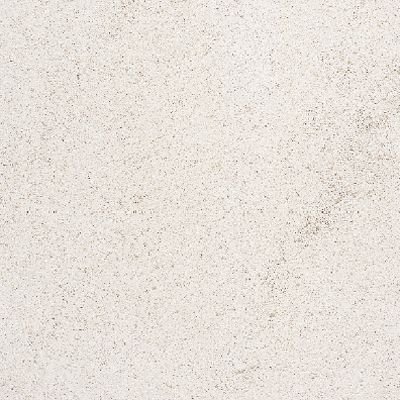
Capri
-
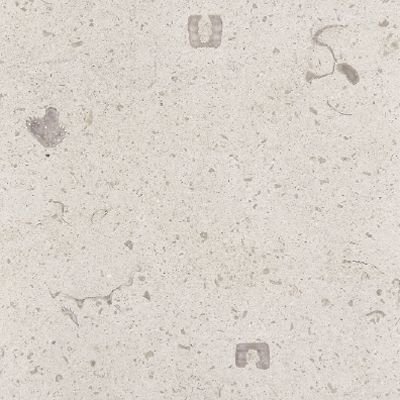
Massangis
-
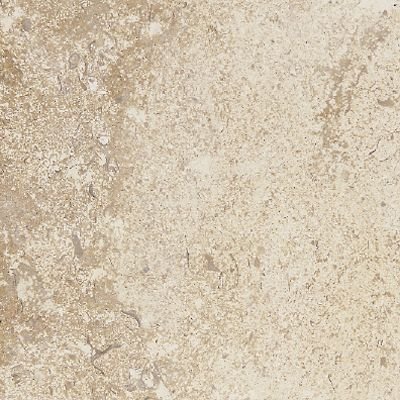
Beaumaniere Classic
-

Beaurnais
-

Damask Gold Flamed
-

Pietra di Vicenza
-
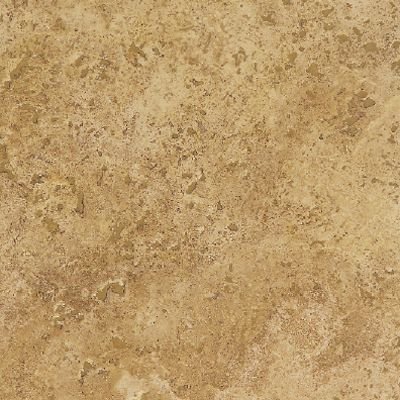
Heliodoro
-

Pietra Dorata Venata
-
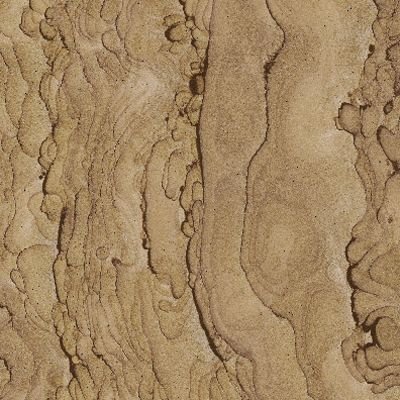
Picture Stone
-
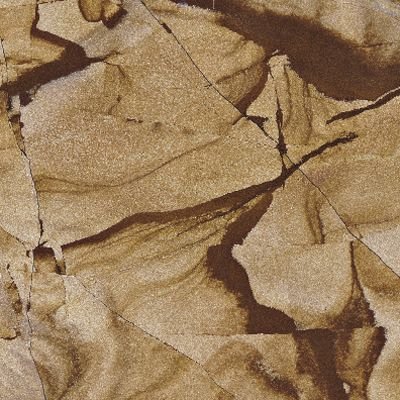
Teak Wood
Best Limestone For Different Applications
Best limestone for home exterior: Massangis Limestone
Best limestone for limestone cladding: Beaumaniere Limestone
Best limestone for flooring: Capri Limestone
Best limestone for feature walls: Pietra Dorata Venata
Best limestone for outdoor landscaping: Pietra Basaltina
Best low-maintenance limestone: Pietra di Vicenza
Best value limestone: Capri Limestone
Why Choose Quickzone For Limestone Malaysia?
Different limestone types have different textures, densities, and applications, especially when used outdoors.
At Quickzone, we help homeowners, architects, and designers select limestone that matches the purpose of the project, whether it is a residential exterior, commercial façade, or interior feature.
-
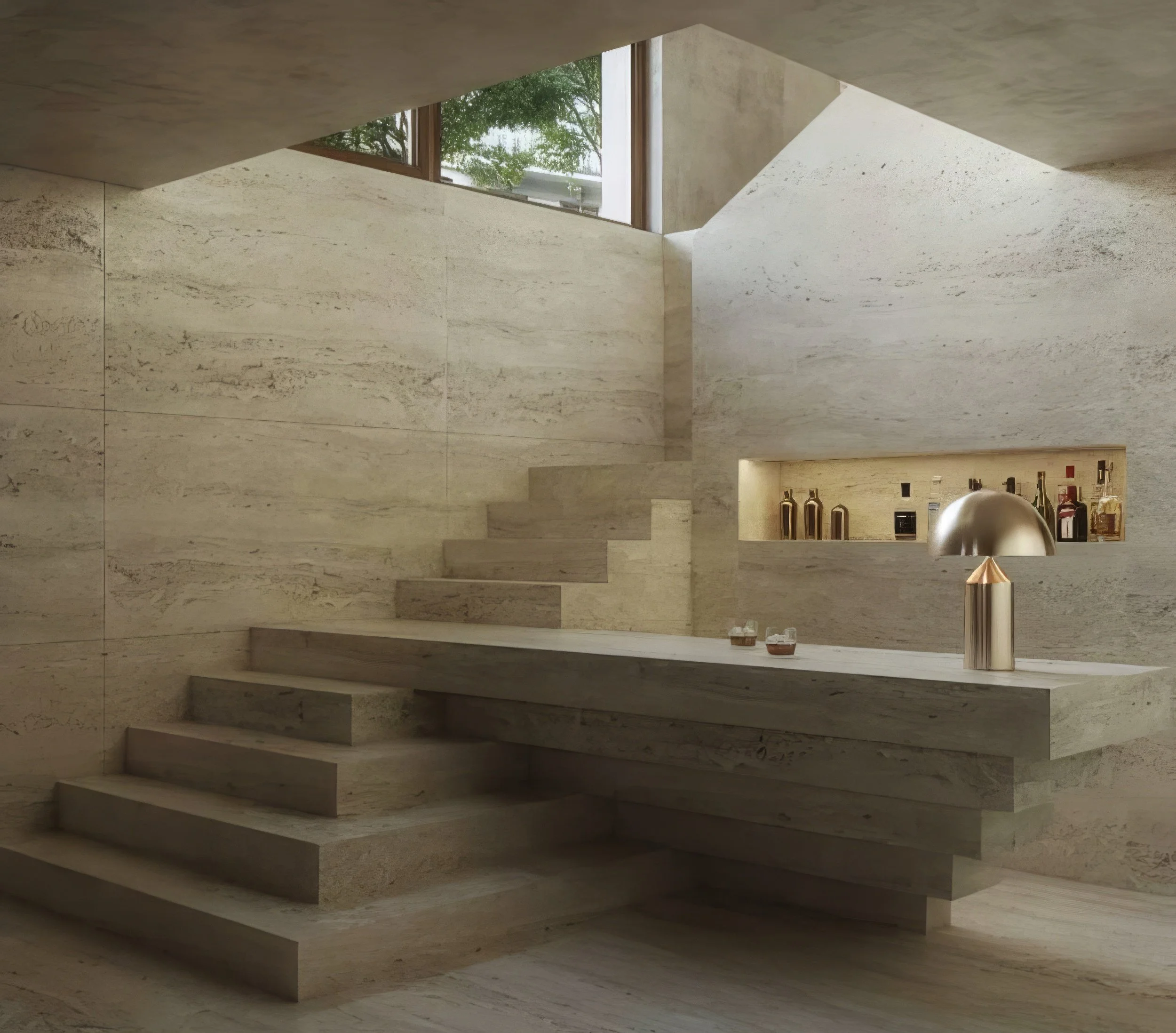
Every limestone has its own texture, tone, and character.
We help you compare different limestone options based on where the stone will be used and the look you want to achieve.
-
From limestone veneer exterior designs to feature walls and flooring, our team works with different sizes, finishes, and applications to achieve the intended architectural style.
-
Limestone house exterior cost varies depending on material choice and installation requirements.
We help you understand the options available so you can choose a solution that fits both your design and budget.
-
Limestone has been used in homes, hotels, and commercial developments because of its timeless appearance. The right selection helps create spaces that age naturally rather than look outdated.
FAQs About Limestone Stone
-
Limestone is a natural sedimentary rock formed over millions of years from compressed marine organisms, shells, and calcium carbonate deposits.
It’s a sought-after material in both residential and commercial applications.
-
It is widely used as limestone tiles for flooring and wall cladding, as exterior pavers, feature walls, and bathroom surfaces.
In Malaysia, it is a popular choice for both residential projects and commercial real estate developments, where its warm, refined tones add prestige to lobbies, corridors, and facades.
-
Limestone is available in a range of finishes including honed (smooth and matte), brushed (textured for slip resistance), tumbled (aged and rustic), and sandblasted.
Common tile sizes range from 300× 300 mm to 600×600mm and large-format slabs up to 1200×600mm, flexible across different design scales and applications.
-
Yes. Limestone is a preferred material in Malaysian commercial real estate due to its natural elegance and thermal comfort in tropical climates.
It is commonly specified for hotel lobbies, office reception areas, retail interiors, and high-end condominium developments.
-
Given Malaysia's humid tropical climate, limestone application requires thorough sealing during installation to resist moisture, mould, and organic staining.
For ongoing care, use a pH-neutral cleaner and avoid acidic products.
Regular resealing every 1–2 years is recommended to preserve the stone's appearance and structural integrity .
Continue browsing below …

Marble

Travertine

Granite
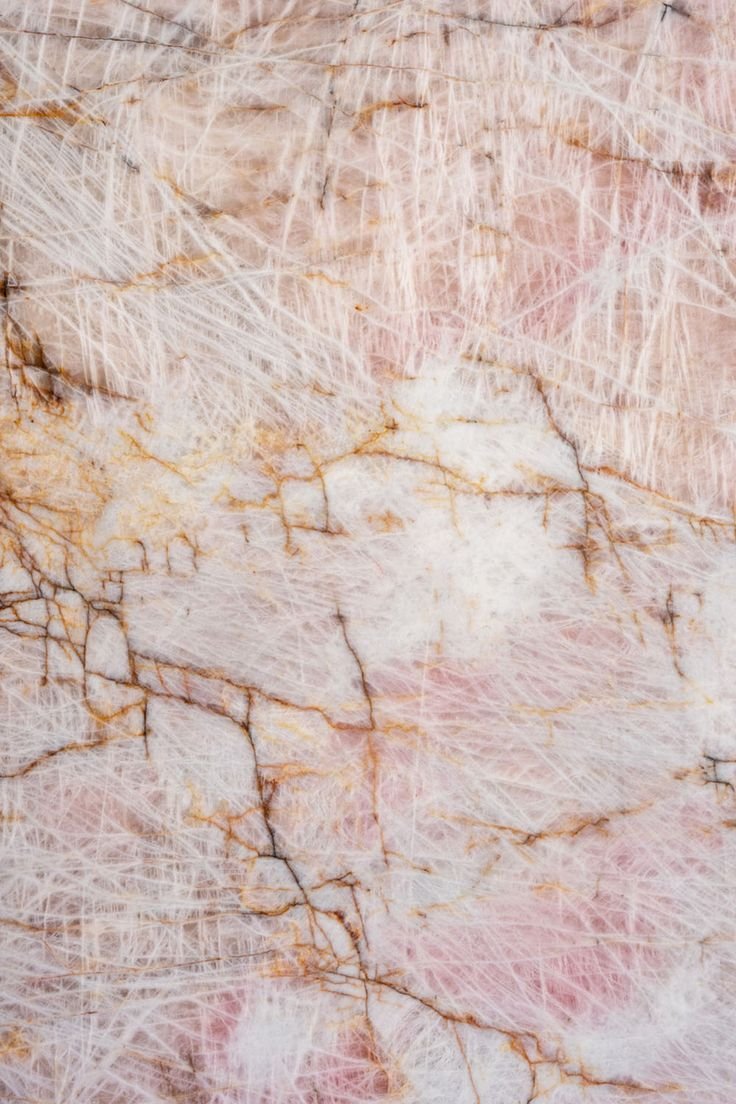
Quartzite
Onyx
Limestone

