
Travertine stone is a natural limestone created around mineral springs, known for its warm tones, natural variation and texture of travertine.
In Malaysia, travertine is chosen for its timeless look across flooring, feature walls, kitchens and other interior spaces. At Quickzone, we offer a range of travertine stone varieties, finishes and formats to suit different design and your project requirements.
Not sure which travertine texture or colour would work best for your space?
Explore the collection below, or get in touch with our team to discuss your project.
Travertine Stone Malaysia

Travertine Stone Colours And Varieties
-

White Travertine
-

Travertino Bianco
-
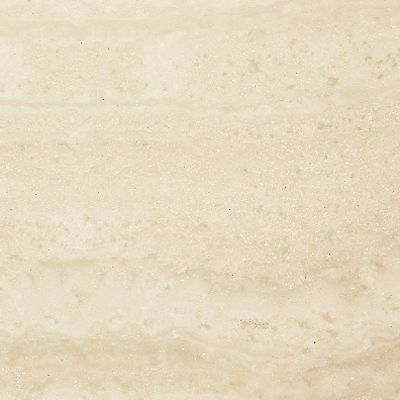
Travertino Navona
-

Travertino Silver
-
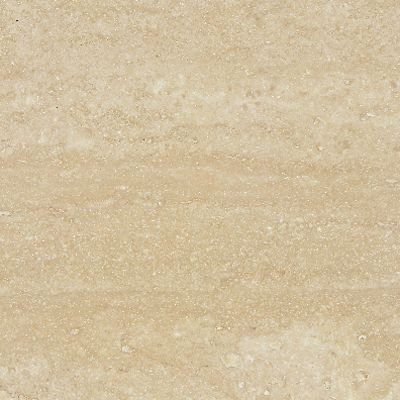
Travertino Romano
-
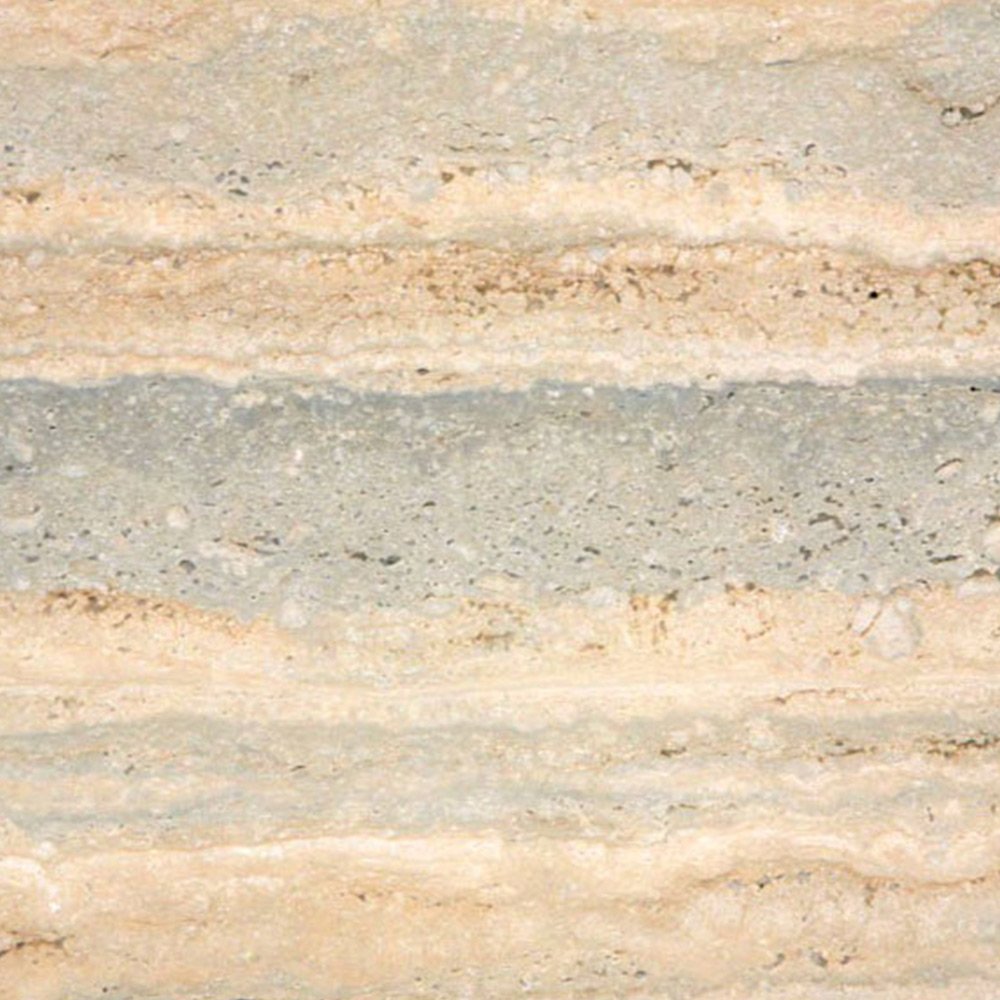
Silver Traventine
-

Travertino Venato
-
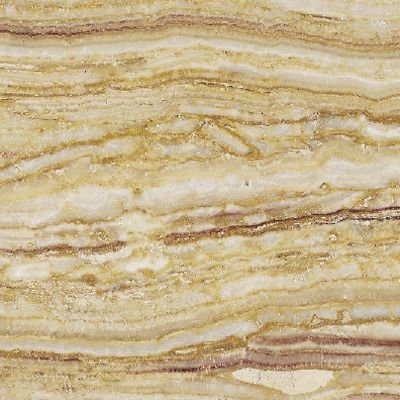
Travertino Colorato
-

Travertino Sriato
-

Travertino Scabas
-

Cream Pink Travertine
-

Pink Travertine
-

Dark Rose Travertine
-
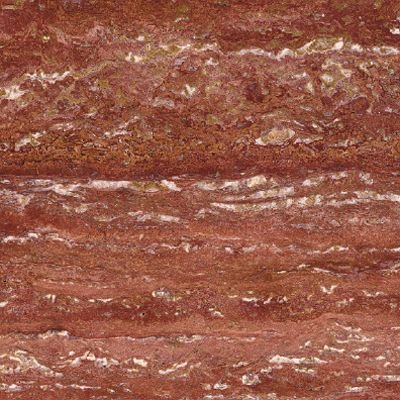
Travertino Rosso in Falda
-

Travertino Rosso
-
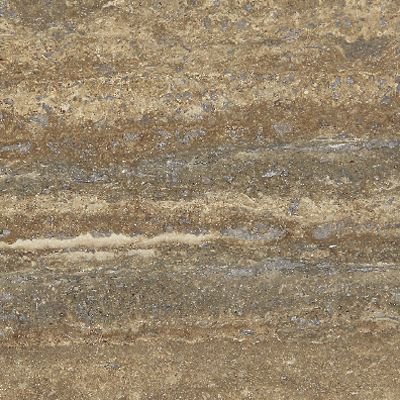
Travertino Noce
-
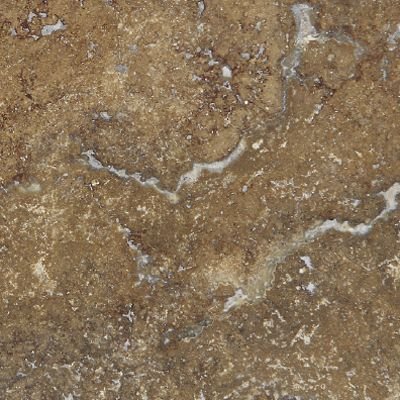
Travertino Noce in Falda
-

Travertino Dorato
-
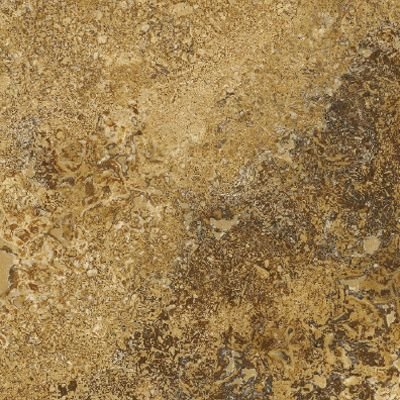
Travertino Dorato in Falda
-

Dark Silver Traventine
Travertine Stone Textures
| Finish | Look & Feel | Suitable For |
|---|---|---|
| Honed Travertine | Smooth, matte | Flooring, walls, bathrooms |
| Polished Travertine | Smooth, glossy | Feature walls, interiors |
| Tumbled Travertine | Aged, textured | Feature walls, outdoor areas |
| Brushed Travertine | Natural, textured | Flooring, walls, outdoor areas |
Travertine Stone Price in Malaysia
The price of a travertine stone in Malaysia depends on the type, grade, thickness, size and finish.
For travertine stone flooring, the total cost will depend on the selected stone and finish, as well as the size and requirements of the project. Travertine is generally more expensive than standard ceramic or porcelain tiles because it is a natural stone.
Overall, travertine tiles are considered a mid- to premium-priced flooring material, but their natural colour variation, texture and finish can make them a great choice for indoor and outdoor uses.
Speak with our team about what would work best for your project
What Can Travertine Be Used For?
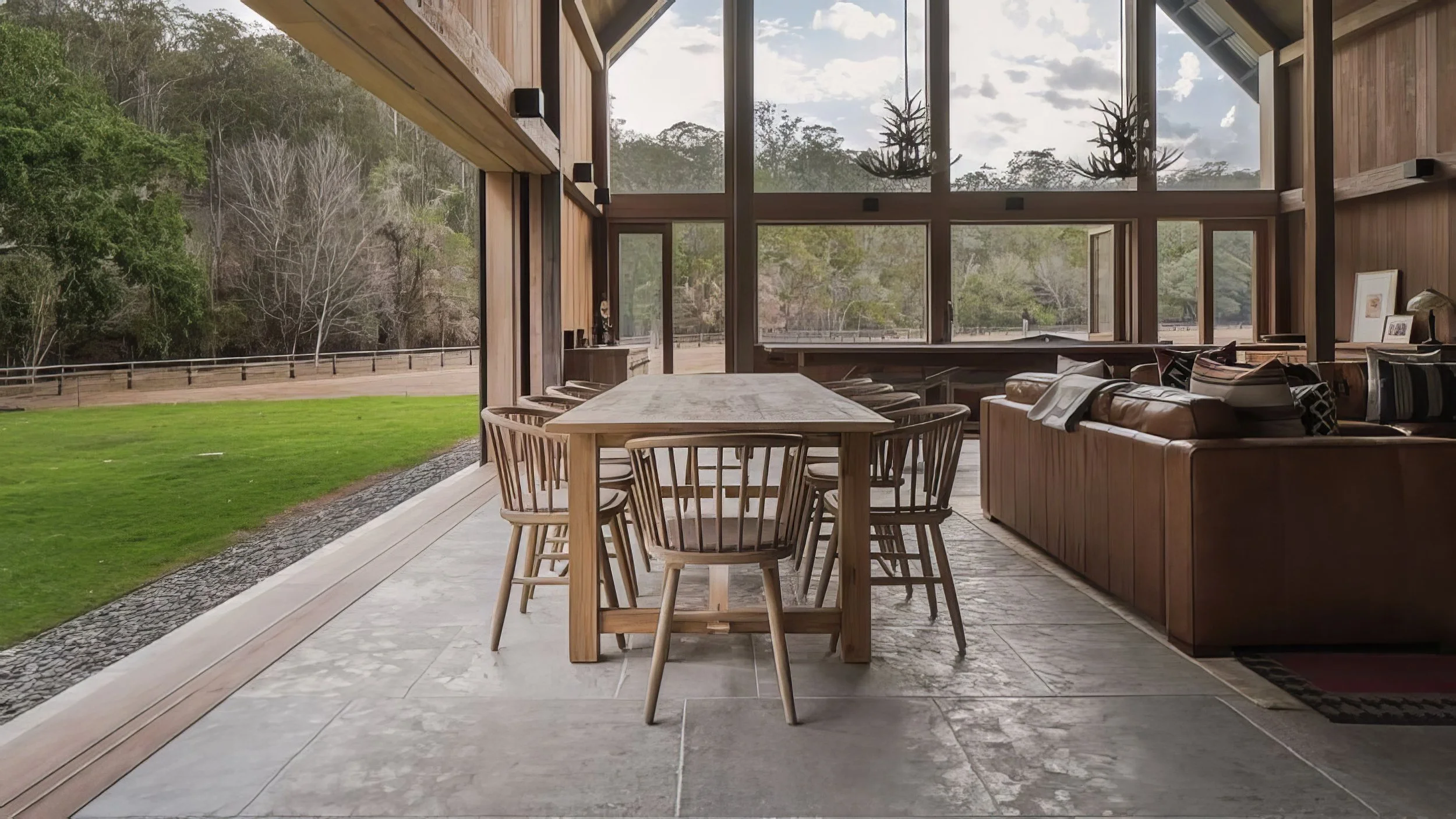
Travertine stone can be used for indoor flooring, wall cladding, bathrooms, kitchens and outdoor paving.
Its natural colours, textures and finishes make it suitable for both residential and commercial spaces, from travertine living areas and furnitures to feature walls, patios and terraces.
Explore our natural stone projects in Kuala Lumpur and Malaysia to see how different varieties and finishes look in real spaces.
FAQs About Travertine Stone
-
Travertine stone is a naturally formed limestone created by mineral-rich hot spring deposits over thousands of years.
Unlike travertine marble, a term often used in the trade, true marble undergoes additional metamorphic heat and pressure, producing a more crystalline surface. Travertine retains its signature porous texture and earthy warmth, giving it a raw, organic character .
-
Yes, travertine can be used for selected outdoor areas in Malaysia, including patios, terraces, pool surrounds and landscaped spaces.
However, not every travertine or finish is suitable for outdoor use. The choice should take into account exposure to rain and humidity, surface texture, drainage and installation.
A more textured finish can also provide better grip in areas that may become wet.
-
Travertine texture is defined by its natural voids, flowing veins, and warm tonal variation.
It is available in honed (smooth and filled), brushed (textured and open), tumbled (rustic and aged), and polished finishes.
Each travertine finish changes how the stone reads in a space, from refined and contemporary to natural and weathered.
-
Travertine tiles are one of the most versatile natural stone options available. They perform beautifully as indoor flooring, feature walls, bathroom cladding, kitchen backsplashes, and outdoor pavers.
In commercial settings, large-format travertine tiles elevate hotel lobbies, resort pools, and retail interiors with a luxurious aesthetic.
-
Clean travertine floor tiles regularly with a pH-neutral stone cleaner and a soft mop, never acidic or abrasive products.
Fill any open voids with a colour-matched grout or epoxy filler during installation. Reseal every 6 to 12 months depending on foot traffic and exposure to moisture, especially in outdoor or poolside settings common in Malaysia.
-
Travertine is a porous natural stone, so it generally requires more care than non-porous materials such as porcelain or sintered stone.
It can absorb moisture and may be more prone to staining or discolouration if it is not properly sealed and maintained.
Its natural variation can also mean differences in colour, veining and surface texture between pieces.
-
Travertine is generally more expensive than standard ceramic or porcelain tiles because it is a natural stone and may involve additional processing, sealing and installation.
Travertine prices vary by stone variety, origin, grade, thickness, size and finish, while premium porcelain and other tiles can also be relatively expensive.
For a fair comparison, it is best to compare materials with similar quality, format and installation requirements.
Continue browsing below …

Marble

Travertine

Granite
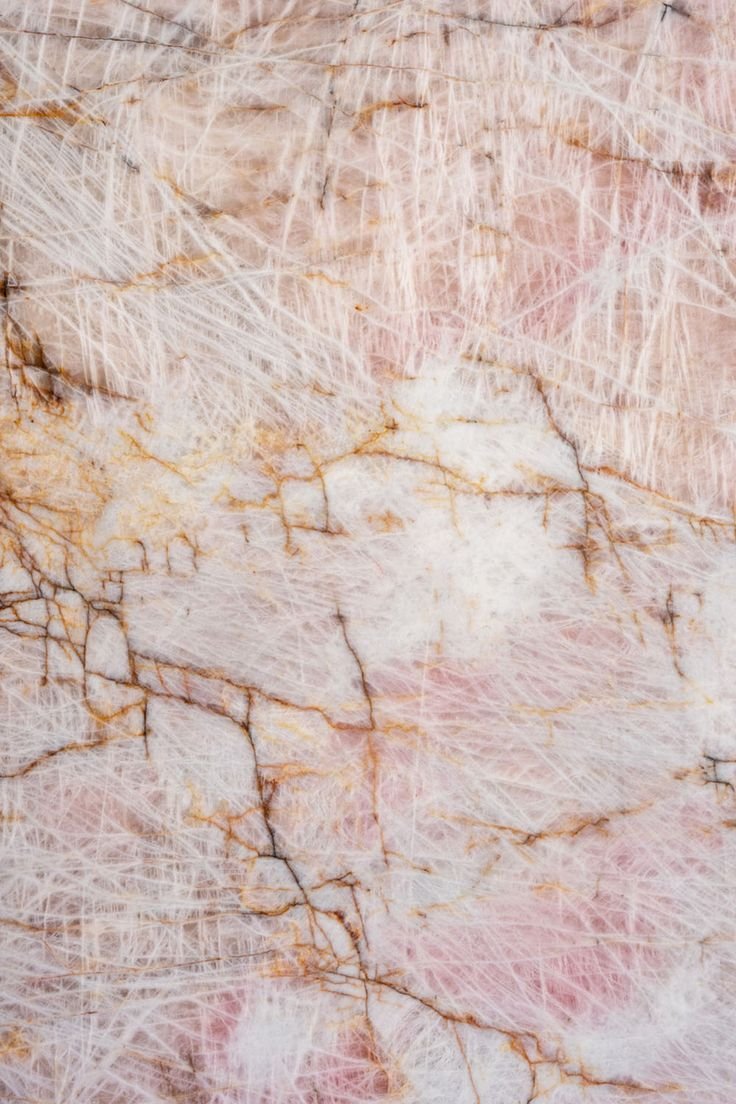
Quartzite
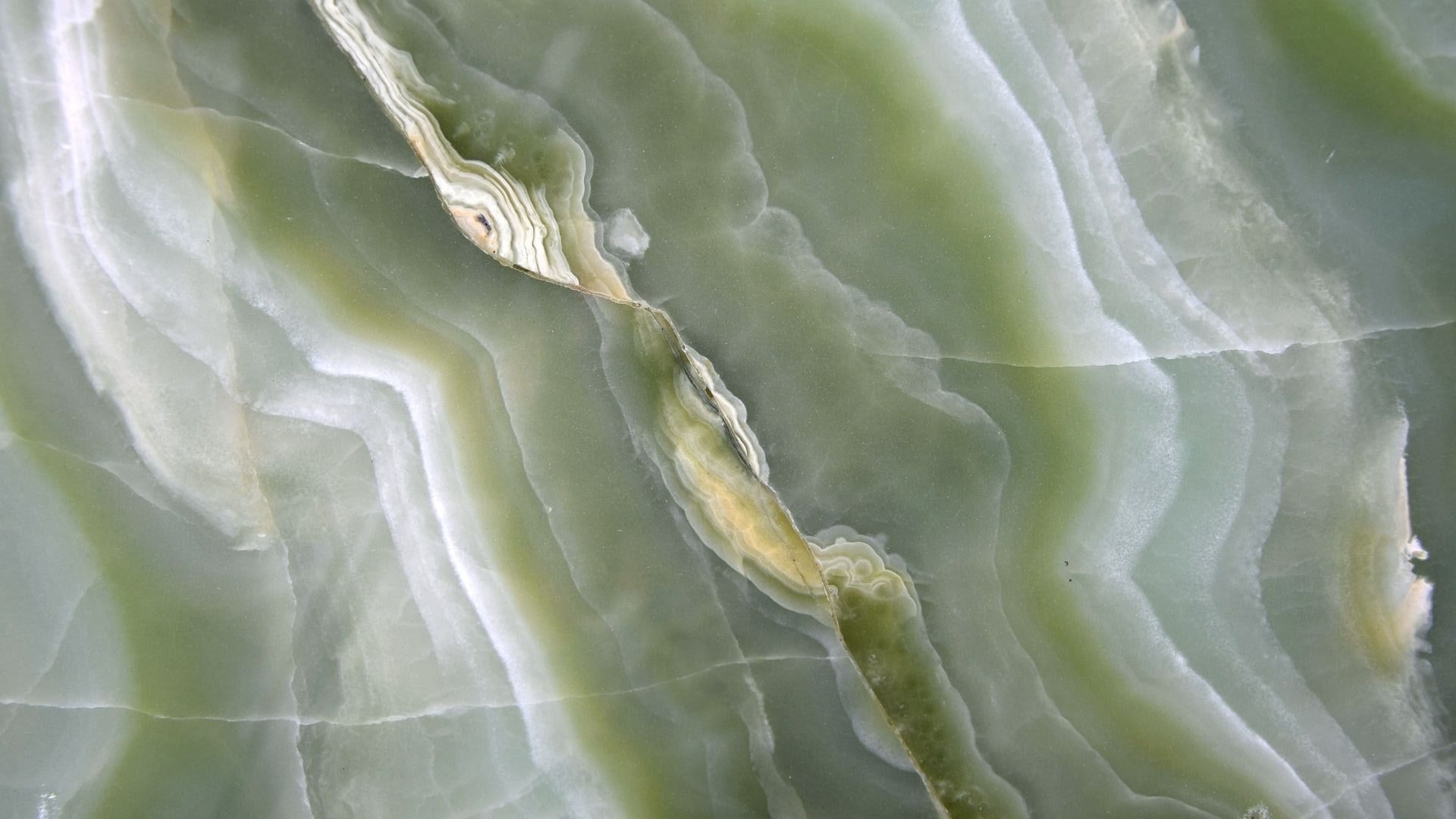
Onyx

Limestone

Nano Crystal

