
Is Travertine Stone Still A Trend In 2026?
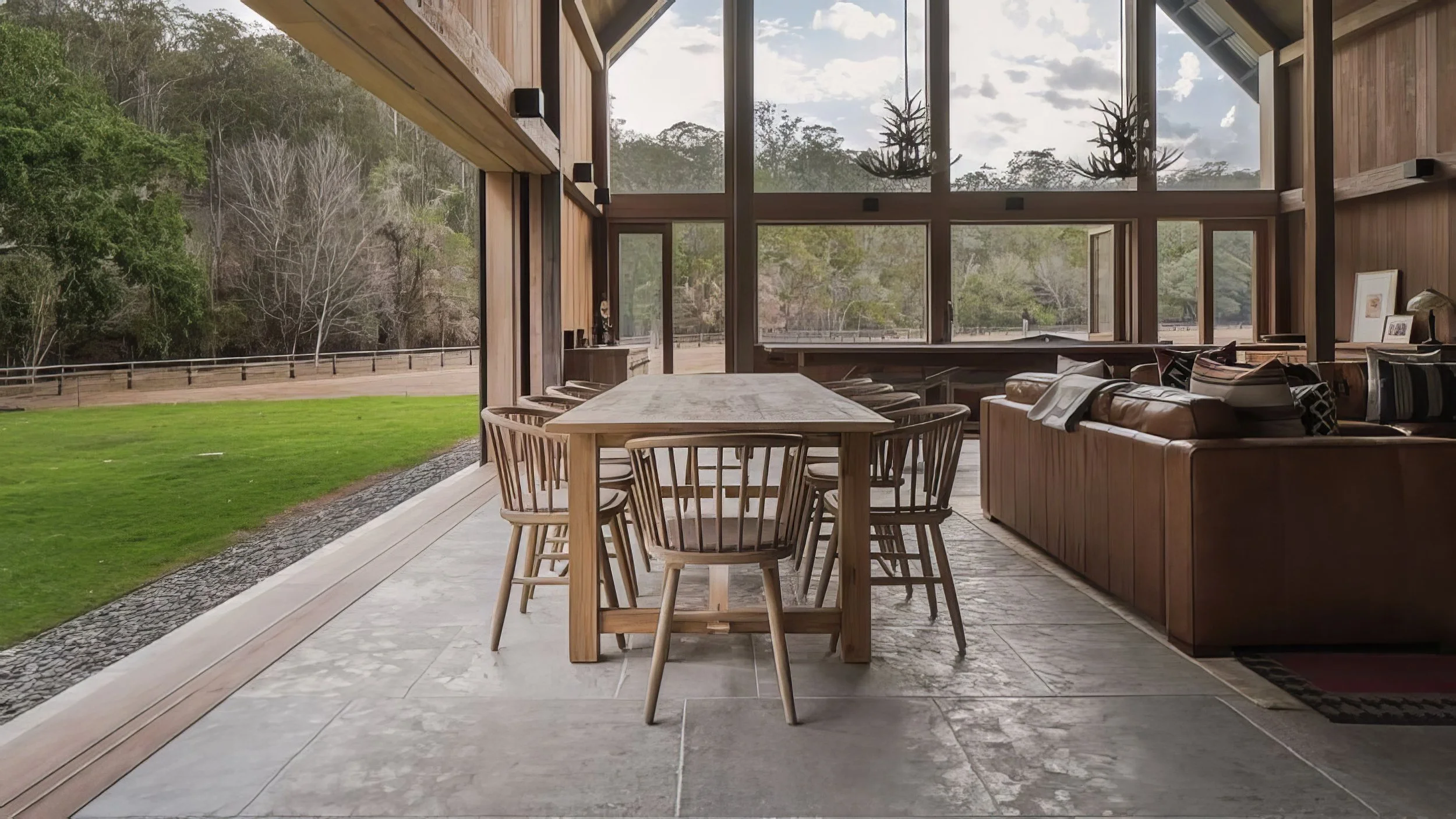
Travertine floor for outdoors
Yes, travertine stone is no longer just a passing trend. It has become one of the most popular natural stone choices for homes that want warmth, texture, and a more timeless look.
From travertine stone Malaysia projects in KL condos to landed homes using travertine stone flooring, bathroom walls, and feature areas, the material continues to grow because it offers something many modern finishes lack, real texture and natural character.
But is travertine out of style in 2026? The short answer is no.
The bigger question is whether you are choosing the right travertine style, finish, and application for your space.
READ ALSO:
TLDR; Should I Still Choose Travertine Stone In 2026?
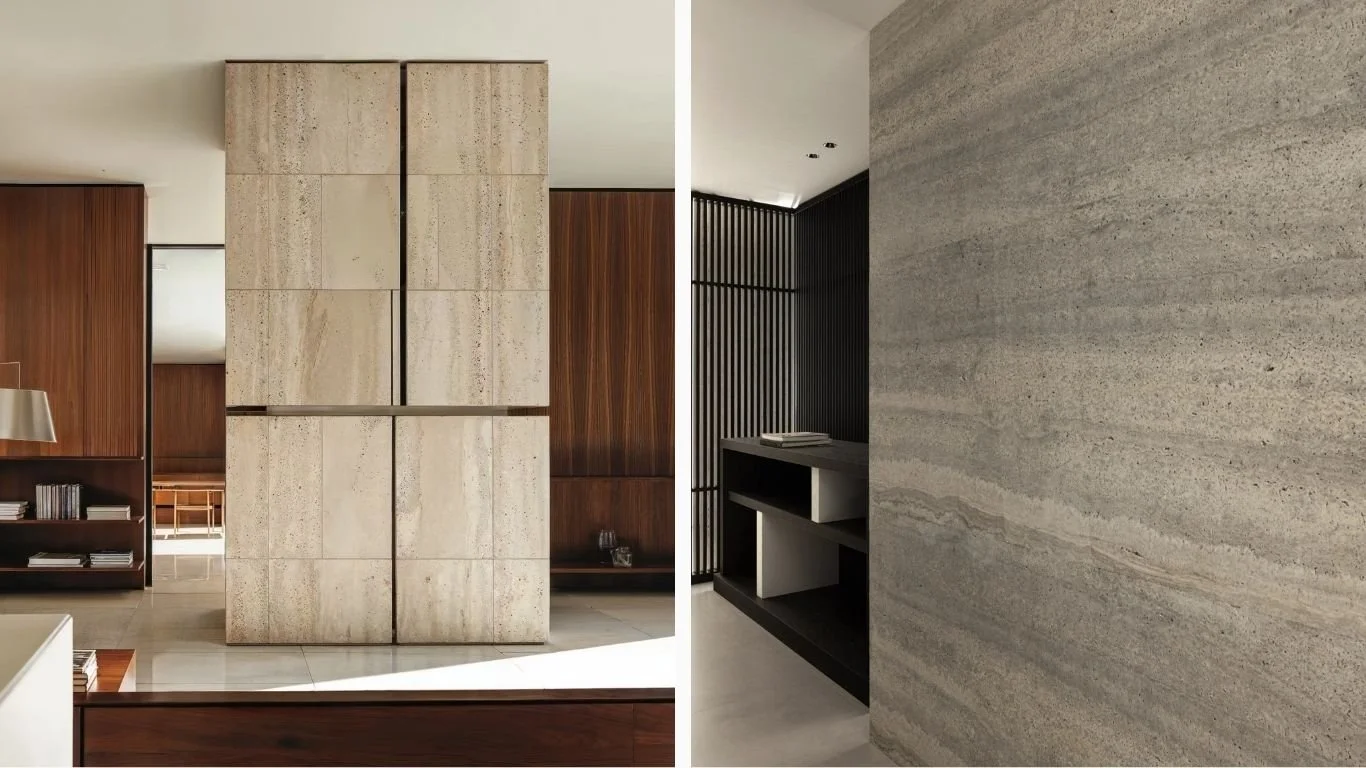
Travertine stone as feature wall
If you want a warm, natural look: Yes
If you want a material that feels unique: Yes
If you are designing a bathroom or feature wall: Yes
If you want natural stone flooring: Yes
If you want a low-maintenance countertop: No
If you want a uniform surface: No
If you want the cheapest stone option: No
If you want a timeless material that will age well: Yes
The short answer is yes, but choose it for the right reason.
Travertine has moved beyond the Instagram trend cycle because homeowners and designers are drawn to what it naturally offers: warmth, texture, and a material that feels authentic instead of manufactured.
The reason travertine remains popular in 2026 is the shift towards warmer, more natural interiors. After years of grey, cold, and overly polished designs, more homes are moving towards earthy tones, timber elements, and organic materials, where travertine natural tone fits naturally.
The most popular travertine looks today are not flashy.
For kitchens, travertine is still a popular choice, but mainly for visual applications. A travertine stone backsplash or feature area gives the warmth of natural stone without the maintenance concerns of using it as a heavily used countertop.
The biggest mistake is choosing travertine because it is trending. Like marble or granite, the material itself is timeless, what dates a space is usually the styling and application. A well-designed travertine bathroom or floor can still look relevant years from now.
If you like natural materials with character, travertine is still one of the strongest choices in 2026.
Travertine Stone In 2026 At A Glance
| Feature | Details |
|---|---|
| Trend Status | Still trending in 2026. Now considered a timeless natural stone choice |
| Best For | Flooring, bathrooms, feature walls, backsplashes, and cladding |
| Popular Style | Warm, natural, minimalist, and resort-style interiors |
| Colours | Ivory, beige, cream, walnut, and earthy tones |
| Appearance | Natural texture, soft patterns, and unique stone variations |
| Durability | High. Can last decades with proper care |
| Maintenance | Medium. Requires sealing to protect the stone |
| Popular Finishes | Honed, natural, and textured finishes |
| Price Range | RM50–200+ per sq ft depending on type and finish |
It Went From Trend To Default Material For A Reason
When we look at what interior designers in KL are actually speccing right now, not what's on mood boards, but what's going into real projects, travertine stone appears across a wide range of budgets, project types, and client profiles.
That's not what trend materials do.
Trend materials cluster around a specific aesthetic bracket and fall off once that bracket moves on.
Travertine is showing up in the same year as marble in high-specification projects. It's appearing as the primary flooring material in landed homes that would previously have defaulted to large-format homogeneous tile. It's being used in bathrooms where 3 years ago the brief would have said polished marble.
The reason isn't novelty. It's that travertine offers something that harder, more uniform materials don't: surface variation you can actually feel.
In a finished space, the difference between travertine and a sintered stone made to look like travertine is immediately obvious — one has depth, the other has a print. Clients who've seen both in person rarely choose the print.
Why Travertine Stone Is Still Trending In 2026
The Biophilic Moment Grew Up
Biophilic design: the idea of bringing natural materials and textures into interior spaces, went through its own messy trend cycle. For a while it meant house plants in every corner and a feature wall of moss. That phase passed.
What remained was a more mature version of the same instinct: a preference for materials that carry genuine natural origin. Wood with visible grain. Stone with real variation. Surfaces that age with character rather than just showing wear.
Travertine fits that mature version of biophilic design precisely. Its formation process, mineral-rich water depositing calcium carbonate in layers over thousands of years, is written into every slab's texture. The voids, the banding, the tonal variation from one section to the next: these aren't imperfections or design choices. They're geological record. That kind of authenticity has a different quality of presence in a room than any engineered surface can achieve.
Warm Neutrals Replaced The Grey Era
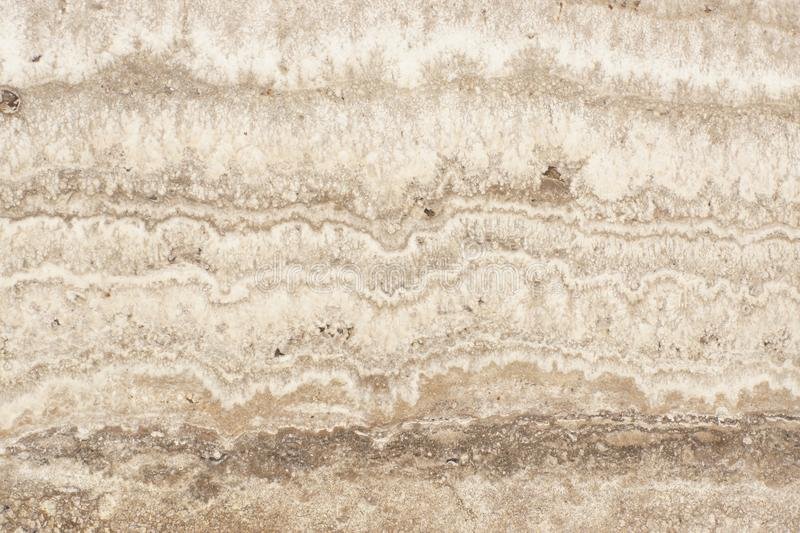
Warm tone travertine tiles
If you've been following Malaysian residential design over the past 3 years, you've watched an obvious shift: the cool grey palette that dominated interiors from roughly 2014 to 2022 is giving way to warmer tones. Ivory, sand, walnut, warm white, soft terracotta.
Travertine's natural colour range, from pale creamy ivory to deeper walnut brown, maps directly onto this shift. It doesn't require styling effort to sit well in a warm-neutral scheme; it is the warm neutral scheme. Pair it with timber flooring, linen upholstery, brass hardware, or limewash-effect walls and everything coordinates without trying.
This is partly why travertine is appearing in projects that wouldn't traditionally reach for natural stone — because it's doing colour and texture work simultaneously, reducing the number of design decisions a client or designer needs to make.
Hospitality Projects Set The Reference Point
There's a reason clients come into consultations now referencing hotel lobbies and resort bathrooms.
The hospitality sector, particularly in KL and the broader Southeast Asian region, has been using travertine extensively in high-profile projects over the past three years. When guests experience that quality of finish in a hotel and then return to their own homes, the gap becomes visible.
This creates a pull that's different from trend adoption. It's aspiration anchored in lived experience, which is considerably more durable than something seen on Instagram.
Travertine Styles That Are Trending In Malaysia Now
Not all travertine is being used the same way. These are the specific applications and aesthetics showing the strongest uptake in the Malaysian market:
Large-Format Honed Flooring
The 600×1200 mm and 800×800 mm honed travertine floor: filled, matte, ivory or walnut tone, is the single most requested travertine specification in residential projects right now. It reads warm and natural in a way that large-format porcelain simply doesn't, and it holds its own in open-plan spaces where a floor needs to do significant visual work.
In landed homes with decent ceiling heights, the horizontal scale of travertine flooring creates a calm, grounded quality that's hard to achieve with busier materials. If you're still weighing your flooring options, our guide on natural stone flooring in Malaysia covers what to expect from different materials at full scale.
The Travertine Bathroom
The full travertine wet room, walls, floor, and vanity top in coordinated travertine, is the bathroom specification that gets the most attention in 2026. Done well, it's the closest thing to a five-star resort experience you can achieve in a private residence.
The key detail that most people miss: the floor finish should differ from the walls. Honed or tumbled travertine on the floor (for slip resistance and a more grounded feel), polished or honed on the walls for smoothness and visual continuity. This isn't a cosmetic preference — it's practical and proportional. A bathroom where every surface has identical finish can start to feel clinical.
For everything you need to know before speccing travertine in a Malaysian bathroom — sealing requirements, grout selection, what actually holds up in our humidity, our travertine stone guide covers it in full.
Travertine Stone Backsplash
The travertine backsplash is the kitchen application that actually makes sense for most Malaysian homes — more so than a travertine countertop, which demands a level of maintenance that doesn't fit how most of us cook daily.
A travertine tile backsplash in honed or tumbled finish, running from counter to cabinet or all the way to the ceiling, brings the warmth and texture of the material into the kitchen without the high-stakes porosity concern of a horizontal work surface. It pairs particularly well with white or off-white cabinetry, timber accents, and integrated appliances — all of which are prominent in current KL kitchen design.
If you've been comparing this against marble for the kitchen, we covered that question specifically in our marble kitchen countertops guide — the logic on surfaces applies to backsplash choices too.
Unfilled Travertine Feature Walls
On vertical surfaces: living room feature walls, entrance lobbies, bedroom accent walls, unfilled travertine with its natural voids exposed is having its best period yet.
The texture reads differently in person than any photograph can capture; the depth of the surface changes with the angle of light throughout the day, which means the wall never looks exactly the same twice.
This is a specification that benefits enormously from seeing the material at actual scale before committing. A sample tile cannot tell you what a full travertine feature wall looks like.
Has Travertine Stone Peaked? The Honest Answer
Every material that trends generates the same anxiety in the people considering it: am I too late? Will this look dated in 3 years?
The honest answer with travertine is: it depends which version of travertine you're going for.
Travertine as a category: warm, natural, textured, is not going anywhere.
Travertine flooring was used by the Romans in the Colosseum and in Italian public buildings for 2000 years before it became a 2023 Pinterest trend. The material itself is not trend-dependent.
What can date is a specific application done in a way that reads as trend-chasing rather than considered. A travertine feature wall with the wrong tonal pairing. Travertine in a space where the other materials fight it rather than complement it. These are execution problems, not material problems, and they apply equally to marble, granite, and any other stone.
Done with genuine design consideration, a travertine installation reads as a classic natural material choice. The same way well-specified marble flooring doesn't look dated, our marble flooring guide touches on this too.
The Verdict
Travertine stone in 2026 is not riding a trend wave. It's occupying a stable, defined place in the natural stone category, the material you reach for when you want authentic warmth, organic texture, and a surface that carries genuine natural origin without the formality of marble or the hardness of granite.
The clients who are most satisfied with travertine are the ones who understood what they were choosing before they committed, the texture, the maintenance, the character of a material that ages with the space rather than resisting it.
Considering Travertine For Your Project?
Whether you're in the early stages of a renovation or comparing travertine against marble and granite for a specific application, the most useful thing is to see full slabs in person before you decide. A 10 cm sample doesn't tell you what a travertine floor or feature wall will look like at scale.
Quickzone's yard in Klang Valley carries travertine in multiple origins, finishes, and formats, available for viewing before you commit. We supply, fabricate, and install across the Klang Valley for residential and commercial projects.
Talk to us: Whatsapp us here or Send us your project details here.
FAQs About Travertine Stone In 2026
-
Travertine is not exactly “coming back” because it never truly disappeared. The material has been used in architecture for centuries and is now seeing renewed popularity because of the shift towards natural, warm-toned interiors.
Modern applications like travertine stone tiles, large-format flooring, bathroom walls, and feature walls have made the stone feel more contemporary compared to older traditional designs.
-
Travertine is gaining popularity in KL because homeowners are looking for materials that feel more natural and less mass-produced.
From Mont Kiara condos to landed homes around Kuala Lumpur, travertine is being used for bathrooms, flooring, and feature walls because it creates a warm, resort-style atmosphere while still feeling timeless.
-
Yes, travertine stone flooring remains popular in 2026, especially for homes that want a natural and luxurious feel.
Honed travertine floors with ivory, beige, and warm earthy tones are commonly used in modern homes, villas, and high-end residential projects because they create a softer look compared to plain tiles or polished stone.
-
Travertine stone price in Malaysia depends on the type, origin, thickness, finish, and whether you choose tiles or slabs.
Travertine stone can range from around RM 50–200+ per sq ft depending on the quality and application.
Premium travertine stone slabs and larger formats usually cost more because they create a more seamless appearance.
-
Yes, but the best application depends on how you use it.
A travertine stone kitchen backsplash is becoming more popular because it adds natural texture without the same level of maintenance as a countertop.
For heavy-use kitchen surfaces, homeowners should consider other materials or understand that travertine requires proper sealing and care.
-
Despite often being called travertine marble, travertine is technically a type of limestone, not marble.
The difference comes from how they are formed and how they look. Travertine has a more porous texture with natural holes and earthy tones, while marble usually has stronger veining and a smoother appearance.
-
It depends on the application.
A travertine stone slab works better for large feature areas where you want fewer joints and a more seamless appearance.
Travertine tiles are usually more practical for flooring, walls, and larger areas because they are easier to install and more flexible for different layouts.

